
Understanding Micro-Weddings and Elopements: The Quick Answer from an Asheville Elopement Photographer
So you’re planning to get married and keep things small, but now you’re wondering: should I call this a micro-wedding or an elopement? Here’s the straightforward answer from your favorite Asheville Elopement Photographer: a micro-wedding typically includes 10 to 50 guests and has traditional wedding elements like a reception, while an elopement usually includes fewer than 10 people (often just the couple) and focuses mainly on the ceremony itself.
But honestly? The lines are pretty blurry these days, and that’s totally okay! Let’s break down what really makes these two celebration styles different so you can figure out which one fits your vision.
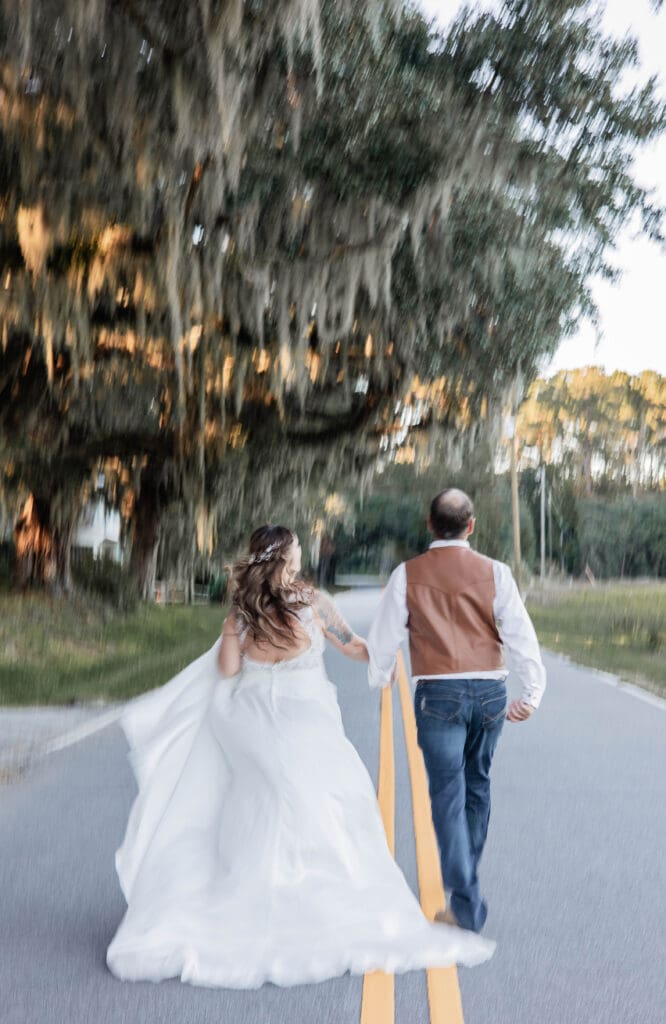
What Is a Micro-Wedding?
A micro-wedding is basically a scaled-down version of a traditional wedding. Think of it as having all the classic wedding elements you love, just with a much shorter guest list. You’ve still got a ceremony, a reception, dinner, maybe dancing, toasts, and cake. You’re just sharing it with your absolute favorite people instead of everyone you’ve ever met.
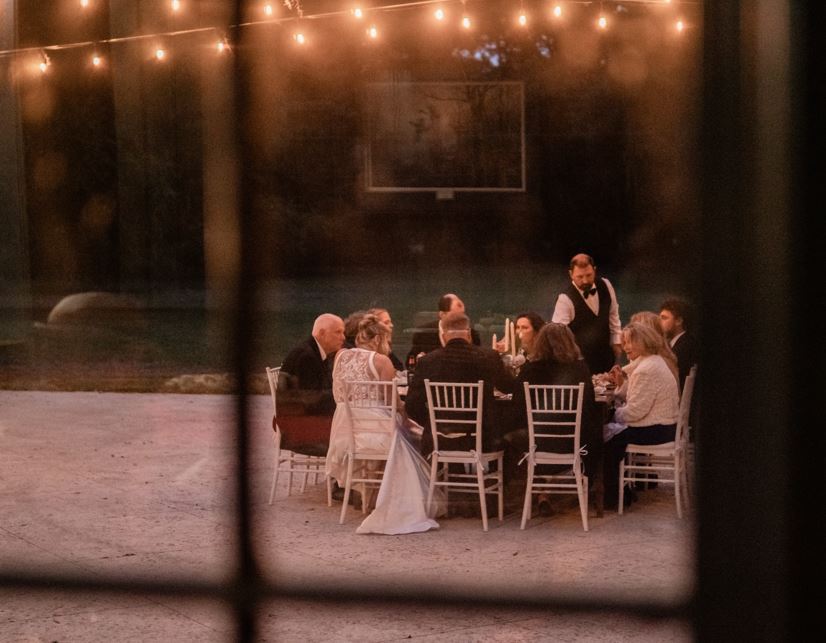
Key Characteristics of Micro-Weddings
Guest Count: Most micro-weddings include between 10 and 50 guests. Some people define the upper limit as 20 guests, while others stretch it to 75. There’s no official rulebook here.
Venue Options: Micro-weddings happen at traditional wedding venues like restaurants, small event spaces, gardens, or even backyards. The key is that the venue can handle your small group plus any reception activities you have planned. Asheville has a wide range of venues that can accommodate smaller parties like this.
Reception Elements: Here’s where micro-weddings really shine. You can have all the reception fun like a seated dinner, cocktail hour, first dance, cake cutting, and toasts. It’s just more intimate and manageable.
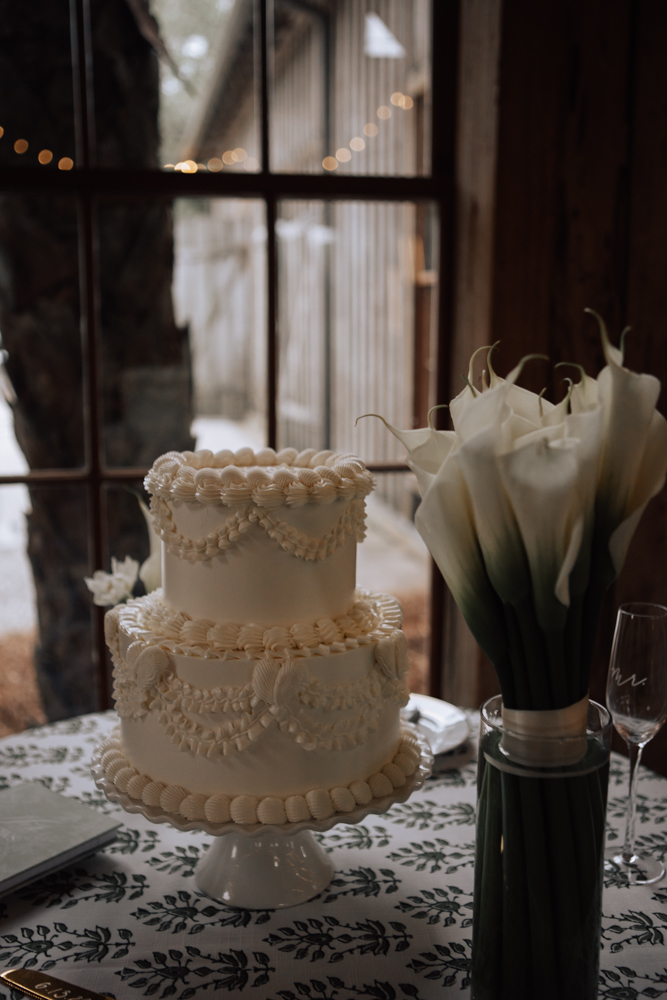
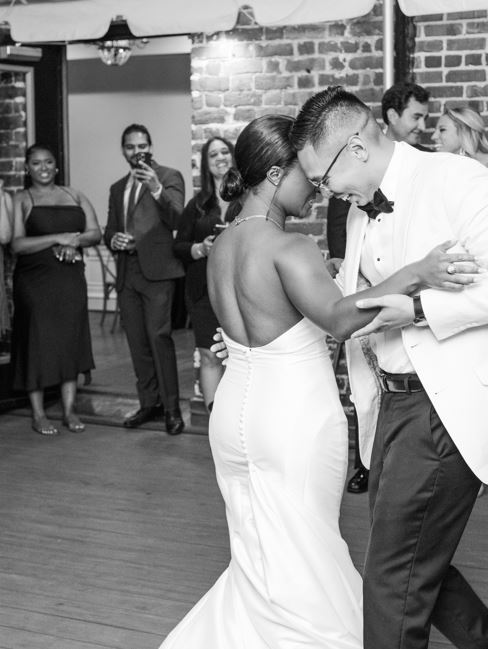
Budget Range: Micro-weddings typically cost between $5,000 and $20,000, though this varies wildly based on location and choices. You’re spending less than a traditional wedding but more than most elopements because you’re hosting guests.
Planning Timeline: Most couples need about 3 to 9 months to plan a micro-wedding. It’s faster than planning a big wedding but takes more coordination than an elopement since you’re organizing a full event.
OK, Then What’s an Elopement?
An elopement is an intimate ceremony, usually just the two of you or maybe a handful of your closest people. The focus is entirely on the commitment you’re making to each other, not on hosting or entertaining. Modern elopements are intentional celebrations that prioritize experience and authenticity over tradition.
Key Characteristics of Elopements
Guest Count: Most elopements include 0 to 10 people. Many couples elope completely alone with just their photographer and officiant. Some invite their parents or best friends, but the group stays tiny.
Location Flexibility: This is where elopements really diverge from micro-weddings. You can literally get married anywhere. Mountain peaks (Asheville has some great ones), remote beaches (Charleston, anyone?), foreign countries, national parks (Pisgah National Park is my favorite for the area), or even your favorite local spot (I know some great coffee shops). No need to think about guest accessibility or amenities.
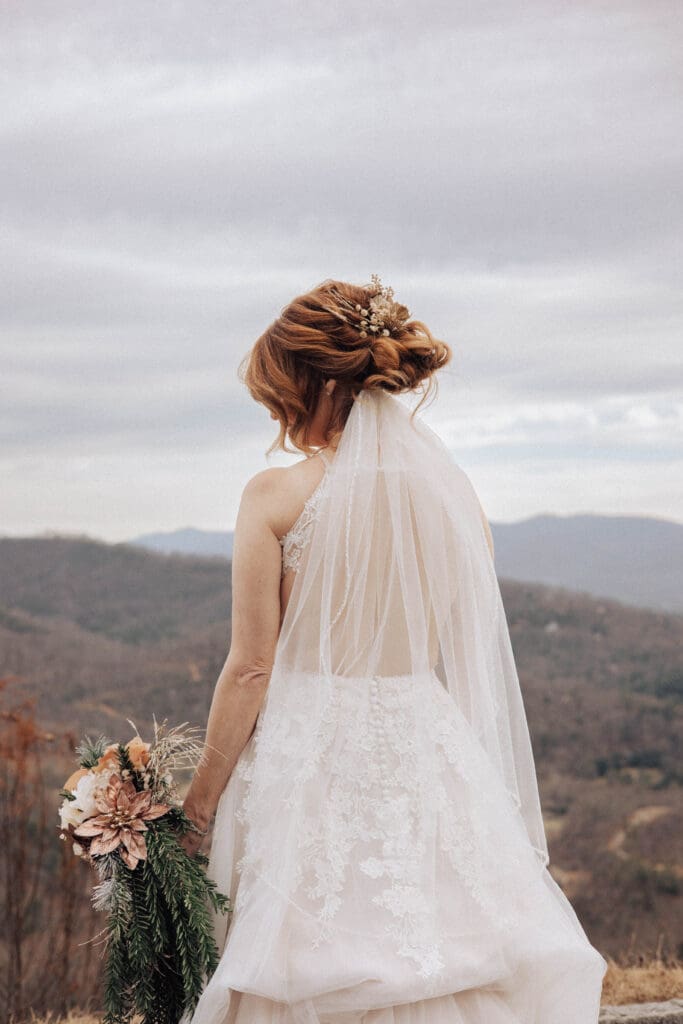
Focus on Experience: Elopements are about the adventure and the moment. Many couples spend their elopement day hiking, exploring, or doing activities they love together. The wedding becomes part of a bigger experience rather than a single event.
Budget Range: Elopements typically cost between $2,000 and $15,000. The main expenses are photography, travel, permits, and attire. You’re not paying to host people, which dramatically cuts costs.
Planning Timeline: You can plan an elopement in as little as a few weeks, though most couples take 2 to 6 months. The simpler logistics mean faster planning.
Micro-Wedding vs Elopement: Direct Comparison
Guest List Differences
Let’s start with the most obvious difference: who’s there. With a micro-wedding, you’re inviting your closest circle. Parents, siblings, best friends, maybe grandparents. You’re thinking about relationships and who needs to be present for this to feel complete.
With an elopement, you’re either going solo as a couple or bringing just a witness or two. The decision isn’t “who makes the cut” but rather “do we want anyone else there at all?” It’s a fundamentally different question.
Location and Venue Considerations
Micro-wedding venues need to accommodate your guests. You’re thinking about parking, bathrooms, seating, accessibility, and probably food service. This naturally limits your options to actual venues or well-equipped spaces.
Elopement locations can be wild and remote. That mountain summit? Perfect. That beach only accessible by a 2-mile hike? No problem. You’re only considering your own abilities and desires, not whether Great Aunt Susan can make the trek.
The Reception Question
Here’s a big one: micro-weddings almost always include a reception. You’re feeding people, probably offering drinks, maybe having dancing or games. You’re hosting a celebration with your guests as active participants. That doesn’t mean you’re hiring full bar service and having plated meals brought out by servers in white gloves, but it’s still something you have to consider.
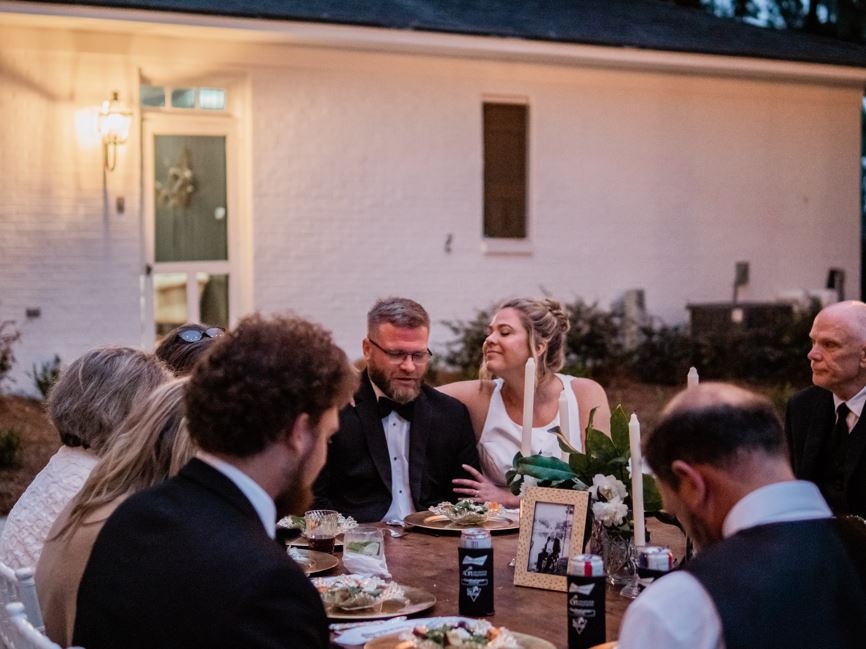
Elopements typically skip the reception entirely or keep it super simple. Maybe you pop champagne after the ceremony or have a special dinner for two. But you’re not hosting an event. If you do have an elopement reception, it’s usually just a casual picnic or meal, not a multi-hour party.
Timeline and Structure
A micro-wedding day looks a lot like a traditional wedding day, just compressed. You might get ready together or separately, have a ceremony, take photos, then move into reception mode. The day has distinct phases and probably lasts 4 to 8 hours.
An elopement day is much more flexible. Some couples exchange vows at sunrise then spend the day exploring. Others hike to a viewpoint, get married, and continue adventuring. There’s no expected structure, which means you can design your day however you want.
Budget Breakdown
With a micro-wedding, you’re budgeting for per-person costs. Food, drinks, rentals, invitations, and favors multiply by your guest count. Even with 20 people, these costs add up quickly. Your biggest expenses are typically venue, catering, and photography.
Elopement budgets look totally different. Your biggest expenses are usually photography and travel. No per-person costs mean more budget flexibility for splurging on an amazing photographer or that dream destination. Everything you spend is directly about your experience.
If you’re interested in my pricing, you can check that out here.
Family Involvement and Dynamics
Micro-weddings include family, which means navigating family dynamics. You’re thinking about who sits where, who gives toasts, and how to make everyone feel included. There’s more potential for family opinions and involvement in planning.
Elopements sidestep most family dynamics entirely. You might tell family beforehand or surprise them afterward, but they’re not part of the planning or day-of experience. This can be freeing or complicated depending on your family relationships.
Why Choose a Micro-Wedding?
You Want to Celebrate With Your People
The biggest reason to choose a micro-wedding over an elopement? You actually want to share the day with your closest people. You want your mom there. You want to see your best friend’s face when you say your vows. You want to dance with your dad and hug your sister.

If the idea of getting married without these people present makes you sad, a micro-wedding lets you include them while still keeping things intimate and manageable.
You Love Traditional Wedding Elements
Maybe you’ve always imagined your first dance or cutting a cake together. Perhaps you want your best friend to give a toast or your grandma to see you in your wedding outfit. Micro-weddings let you keep the traditions that matter while ditching the ones that don’t.
You can pick and choose elements. Want a cake but skip the bouquet toss? Do it. Want a first dance but no formal reception? Perfect. The small scale gives you permission to customize.
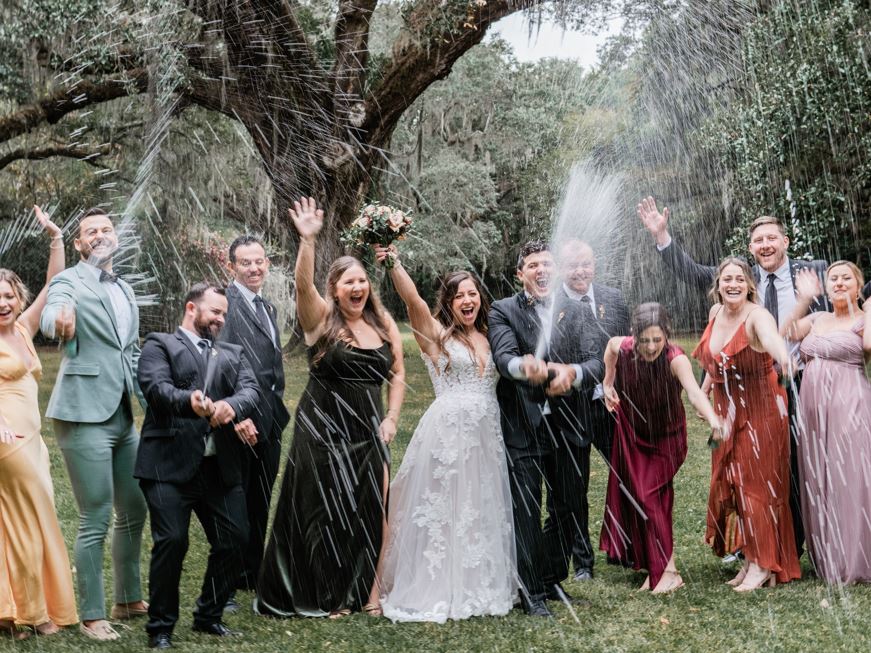
You Still Want Some Formality
Elopements tend to be pretty casual, even when couples dress up. Micro-weddings can be as formal as you want. You can have that elegant dinner, those fancy invitations, that beautiful tablescape. The intimate scale doesn’t mean sacrificing sophistication.
Your Budget Supports Hosting Guests
If you have the budget to host a small group well, a micro-wedding lets you create a really special experience for your favorite people. With fewer guests, you can splurge on the good stuff: amazing food, premium drinks, a stunning venue, or incredible photography.
You Want a Reception Experience
Here’s the thing: some people really want that reception feeling. The toasts, the dinner conversation, the dancing, the celebration. If you’re excited about hosting your people and creating that party atmosphere, a micro-wedding delivers that experience in a way an elopement doesn’t.
Why Choose an Elopement?
You Want It to Be Just About You Two
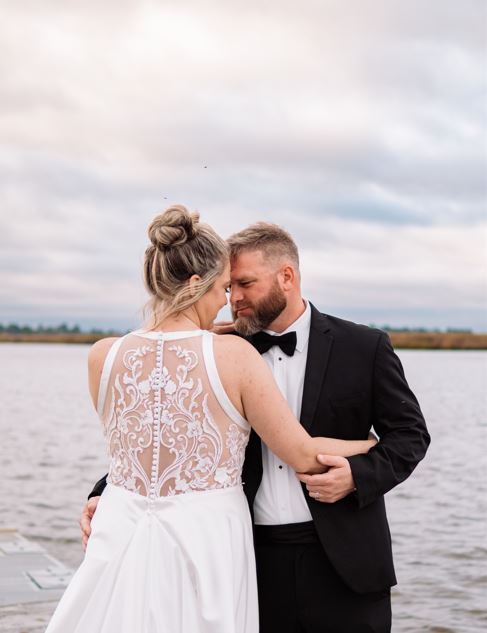
The most compelling reason to elope? You want your wedding day to focus entirely on your relationship and commitment without any hosting responsibilities or social dynamics. You want to be present with each other, not managing an event.
Many couples describe their elopement as the most present and connected they’ve ever felt. When it’s just the two of you (and me, your favorite Asheville Elopement Photographer), there’s no performance, no awareness of being watched, no need to make sure everyone else is having a good time.
Adventure Is Important to You
If you’re outdoor enthusiasts or travel lovers, elopements let you combine your wedding with adventure. Imagine saying your vows on a mountain summit after a sunrise hike, or on a black sand beach in Iceland, or in a centuries-old European chapel.
Elopements turn your wedding into an experience rather than an event. The journey becomes part of the story.

You Want Maximum Budget Efficiency
Let’s be real: hosting people is expensive. When you eliminate per-person costs, your budget goes so much further. That money you’d spend on catering 50 people? You could use it for a week in Italy, a top-tier photographer, or both.
Elopements typically cost a fraction of even micro-weddings, letting you either save money or redirect it toward experiences you’ll remember forever.
Traditional Weddings Feel Inauthentic to You
Some couples just don’t vibe with traditional wedding expectations. The formality feels forced, the traditions seem empty, or the whole thing feels like a performance. If this sounds like you, eloping might feel more authentic.
Elopements give you complete creative freedom. No traditions you don’t want, no expectations to meet, no compromises for others’ comfort. It’s entirely yours.
You Want to Avoid Family Drama
Not every family is supportive or drama-free. Some couples elope specifically to avoid complicated family dynamics, pressure from divorced parents, or expectations they don’t want to fulfill. Eloping removes the social complexity entirely.
You can celebrate your way without negotiating everyone else’s feelings about your choices.
The Hybrid Option: Elopement with Small Celebration Later
Here’s a third option that more couples are discovering: elope first, celebrate later. You get married in an intimate elopement, then host a micro-wedding-style reception or party weeks or months later.
Benefits of the Hybrid Approach
This approach gives you the best of both worlds. You get that intimate, present wedding moment for just the two of you. Then you get to celebrate with loved ones without the pressure of combining everything into one day.
The post-elopement celebration can be as casual or fancy as you want. Some couples do backyard BBQs, others host restaurant dinners, and some plan full reception parties complete with DJs and dancing. Because you’re already married, the pressure is off.
How to Decide: Questions to Ask Yourselves
The Guest List Question
Sit down together and honestly discuss: who do we really want there? Make your dream guest list without worrying about categories or fairness. If that list is under 50 people and you genuinely want to celebrate with all of them, lean toward a micro-wedding. If you struggle to name even 10 people you want present, or if just the two of you sounds perfect, consider eloping.
The Budget Question
What can you realistically afford, and where do you want to spend it? Calculate what a micro-wedding would cost in your area with your must-haves. Compare that to elopement costs. Remember that cheaper isn’t automatically better, but neither is spending more just because that’s “what’s done.”
The Experience Question
Close your eyes and imagine your wedding day. What does it look like? Are you picturing yourself hosting and socializing, or are you imagining adventure and exploration? Are other people in this vision essential to your happiness, or are they nice but not necessary? Are other people going to make your vision impossible (for example, Aunt Susan can’t make that 1.7 mile hike around Max Patch).
Your gut instinct about this visualization tells you a lot.
The Stress Question
Which option sounds less stressful? For some people, not including family creates anxiety about hurt feelings. For others, managing even a small event sounds exhausting. There’s no wrong answer, but understand which compromises you’re willing to make.
The Authenticity Question
Which option feels more like you as a couple? If you’re social, love hosting, and thrive in group settings, a micro-wedding might resonate more. If you’re private, adventurous, or introverted, eloping might feel more authentic.
Common Misconceptions About Micro-Weddings and Elopements
“Elopements Mean You Don’t Care About Family”
This myth persists, and it’s just not true. Eloping is about how you want to celebrate, not a rejection of people you love. Many couples who elope have incredibly close family relationships. They simply prefer celebrating their commitment privately.
“Micro-Weddings Are Just Budget Weddings”
Nope. While micro-weddings often cost less than large traditional weddings, they’re not about cutting corners. Many couples choose micro-weddings specifically because they can afford higher quality experiences with fewer people. It’s about intimacy, not budget limitations.
“You Can’t Have a Real Wedding With So Few People”
Both micro-weddings and elopements are absolutely real weddings. You’re getting legally married, making a commitment, and celebrating in a way that’s meaningful to you. Guest count doesn’t determine legitimacy.
“Eloping Is Impulsive and Unplanned”
Modern elopements are usually carefully planned. Couples research locations, book photographers months in advance, and coordinate logistics thoughtfully. The spontaneous runaway wedding is mostly a thing of the past.
“You’ll Regret Not Having a Big Wedding”
Some couples do wish they’d done things differently, but this is true regardless of wedding size. Many couples who have large traditional weddings wish they’d kept things smaller. What matters is choosing what feels right for you, not what you think you’re supposed to do.
The Bottom Line: Micro-Wedding or Elopement?
Here’s what really matters: both micro-weddings and elopements offer intimacy, authenticity, and flexibility that traditional large weddings often don’t. Whether you choose to include 30 of your favorite people or just the two of you, you’re creating a wedding that prioritizes connection over convention.
Choose a micro-wedding if you want to share your day with a small group, enjoy traditional wedding elements like a reception, and feel excited about hosting an intimate celebration.
Choose an elopement if you want maximum focus on each other, crave adventure or unique locations, prefer to skip hosting responsibilities, or feel most authentic celebrating privately.
And remember, there’s also that beautiful hybrid option where you elope and celebrate later, giving you the intimacy of an elopement with the community celebration of a micro-wedding.
Whatever you choose, make it yours. That’s what small weddings are all about.
If you’re ready to plan your Asheville elopement or you’re choosing the micro-wedding option, let’s chat!
